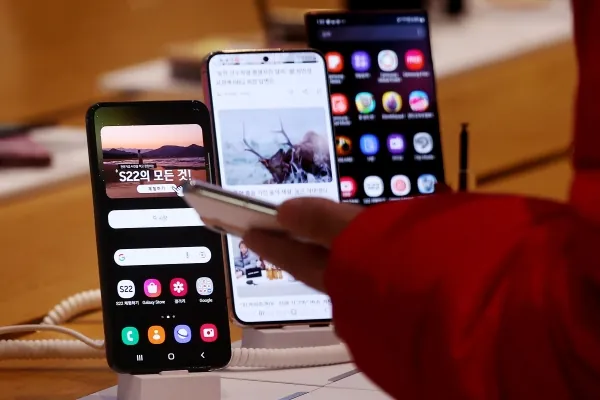
South Korea’s antitrust regulator has fined Samsung Electronics 20.1 billion won (roughly $15.16 million) for running ads that hid a built-in performance limiter on Galaxy smartphones during gaming.
What happened
On October 27, 2026, the Korea Fair Trade Commission (KFTC — South Korea’s antitrust and consumer-protection watchdog, roughly equivalent to the U.S. FTC) announced the penalty against Samsung Electronics. The fine covers advertisements for Galaxy smartphones that promoted gaming performance without disclosing that a software preset — commonly called Game Optimizing Service (GOS) — automatically capped CPU and GPU speeds while games were running. The KFTC judged that omitting this information constituted a misleading advertisement under South Korean consumer-protection law. The 20.1 billion won figure (approximately $15.16 million at the exchange rate implied in the summary) is one of the larger advertising-related fines the KFTC has levied against a domestic tech company.
Why Korea does it this way
South Korea’s Fair Trade Act empowers the KFTC to investigate and fine companies for deceptive or false advertising without needing a court order — the agency acts as investigator, prosecutor and first-instance adjudicator, with appeals going to the courts. Fines are set as a percentage of relevant sales or as a fixed amount, whichever is higher. The GOS controversy first became public in early 2022 when benchmarking apps detected that Samsung phones ran slower during actual games than during performance tests, sparking global coverage and user complaints; Korean regulators opened a formal investigation shortly after. Korean consumer law places a high burden on advertisers to proactively disclose material limitations of a product’s advertised features, not merely avoid outright false claims.
What it means for you
Galaxy smartphone owners in Korea: The fine does not automatically entitle existing owners to compensation, but it establishes an official finding of deception that could support civil class-action claims. Samsung has previously offered software updates to give users control over GOS; check your device’s Game Booster settings to see whether performance limits remain active.
Investors in Samsung Electronics (KRX: 005930, roughly 16–17% weight in the KOSPI 200 index): At ₩20.1 billion, the fine is financially immaterial relative to Samsung’s quarterly earnings — it is the reputational signal and any follow-on litigation that carry the larger risk. Watch whether the KFTC orders corrective advertising in addition to the fine, as that obligation carries ongoing compliance cost. Note: this is a statement of facts about a listed company, not investment advice.
Foreign residents and expats: If you bought a Galaxy phone in Korea partly on the basis of its advertised gaming or graphics performance, this ruling confirms the advertised experience was not fully disclosed. No mandatory refund or exchange programme has been announced as of October 27, 2026.
Other smartphone makers selling in Korea: The KFTC’s ruling sets a precedent that performance-throttling presets must be prominently disclosed in advertising. Brands that run similar optimisation software face elevated compliance risk in the Korean market.
Watch next
- Samsung’s appeal deadline: Samsung has the right to appeal the KFTC order to the Seoul High Court; the appeal window under Korean administrative law is typically 90 days from the date of the official written decision — watch for a filing notice around late January 2027 (exact date depends on when the written order is served).
- KFTC corrective-advertising order: Date not yet set — decided by the KFTC in a separate follow-up order. Trigger: if issued, it will require Samsung to run disclosed notices in the same media channels where the original ads appeared, adding measurable compliance cost.
- Civil class-action filings: Korean consumer advocacy groups have previously organised class actions within 3–6 months of major KFTC rulings. Trigger: watch for a filing announcement from groups such as the Korea Consumer Agency or private legal collectives — no filing has been confirmed as of today.
FAQ
Why did Samsung throttle Galaxy phone performance during gaming?
Samsung’s Game Optimizing Service (GOS) automatically capped CPU and GPU speeds during gameplay to manage heat and battery life; the KFTC found that Samsung’s advertising did not disclose this limitation, which the regulator ruled was misleading to consumers.
How much is Samsung’s ₩20.1 billion fine in US dollars?
The KFTC’s announcement implies approximately $15.16 million USD based on the exchange rate cited in the regulator’s statement; the exact dollar equivalent will fluctuate with the won-dollar rate, which you can check at the Korea Financial Telecommunications & Clearings Institute (KFTC rate portal) for the current figure.
Source: KBS World Radio
Was this useful?
What made the difference? Pick one.
What made the difference? Pick one.
Thanks. We read every answer.