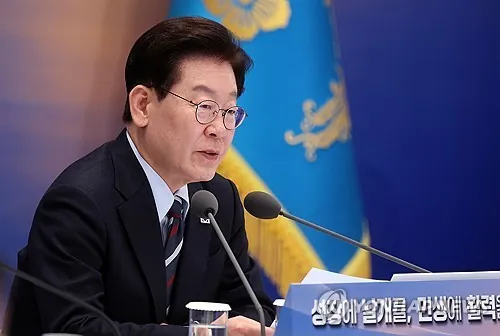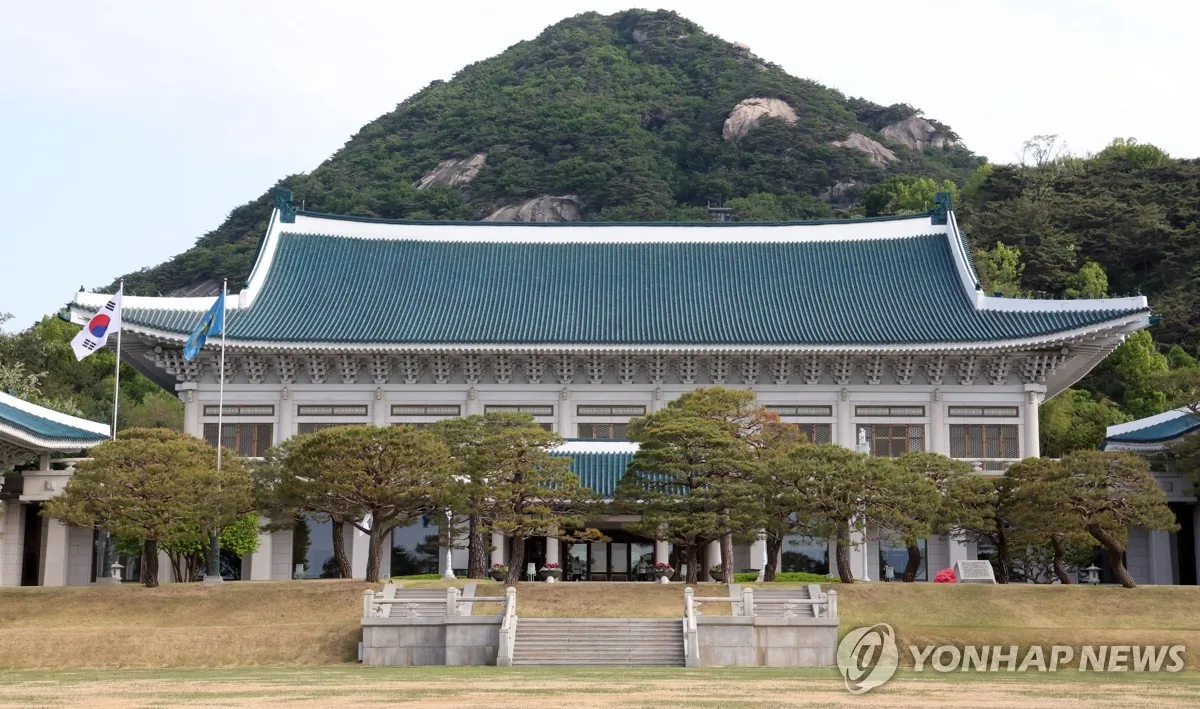
South Korea’s presidential Office of National Security convened an emergency meeting on Saturday, September 12, 2026, after North Korea launched multiple ballistic missiles, condemning the action as a breach of U.N. Security Council resolutions.
What happened
At approximately 5:20 a.m. on Saturday, September 12, 2026, North Korea fired multiple ballistic missiles from the Wonsan area on its eastern coast, according to the South Korean military. The presidential Office of National Security — the foreign and security policy coordination body inside the presidential office — held an emergency session shortly after, issuing a press release demanding Pyongyang halt what it called a “grave action” and calling on the South Korean military to maintain a firm readiness posture. The launches were condemned as violations of United Nations Security Council (UNSC) resolutions, which ban North Korea from conducting ballistic missile tests. This is the second barrage of short-range ballistic missiles in under a month: North Korea previously launched a similar volley toward the East Sea on August 20, 2026, during South Korea–U.S. annual Ulchi Freedom Shield drills. The latest provocation came the day after South Korea, the United States, and Japan concluded their five-day “Freedom Edge” joint naval exercise, which took place in international waters east and south of Jeju Island (South Korea’s largest island, located off the southern tip of the peninsula).
Why Korea does it this way
North Korea has long used ballistic missile launches as a tool of coercive signaling — responding to joint military exercises by South Korea and its allies with shows of force intended to demonstrate capability and extract diplomatic attention. South Korea’s Office of National Security (the equivalent of a National Security Council) is required under law to convene emergency sessions following any significant military provocation, triggering an automatic chain of military readiness assessments and diplomatic notifications to Washington and Tokyo. UNSC resolutions banning North Korea’s missile program date back to 2006 and have been repeatedly violated without triggering enforcement, partly due to Chinese and Russian vetoes blocking new sanctions since 2022.
What it means for you
Because this is a security-politics story, the household and investor impact runs through market sentiment and government spending — not an immediate policy change.
- Investors in Korean equities: The KOSPI (Korea Composite Stock Price Index, South Korea’s main stock benchmark) has historically dipped 0.3–0.8% on the session immediately following a North Korean missile launch, then recovered within two to three trading days when no escalation follows. Monday, September 14, 2026, will be the first trading session to watch. Check the current index level at the Korea Exchange (KRX) website before drawing conclusions.
- Foreign residents and KRW holders: The Korean won (KRW) tends to weaken briefly against the U.S. dollar during North Korea provocation cycles. If you hold KRW-denominated savings or are planning a large currency conversion, the Monday opening rate is the near-term signal. Check the Bank of Korea’s daily exchange rate page for the live figure.
- Taxpayers and defense watchers: Repeated provocations historically provide political momentum for supplementary defense budget requests. South Korea’s 2026 defense budget figure — check the current approved amount at the Ministry of National Defense — could be revised upward if Pyongyang continues at this pace, which would crowd into fiscal space otherwise available for welfare or infrastructure spending.
If no further escalation occurs in the next 48–72 hours, market and currency effects are likely to be short-lived, as they were after the August 20 launch.
Watch next
- Monday, September 14, 2026 — KOSPI open: The first post-launch trading session will show whether investors are pricing in escalation risk. A drop exceeding 1% on heavy volume would signal broader concern beyond routine provocation.
- UN Security Council response — date not yet set, decided by the UNSC presidency rotation: The U.S., South Korea, and Japan are expected to request an emergency UNSC session; watch whether China and Russia block a statement, which would signal whether the diplomatic isolation track has any remaining traction.
- North Korea’s next move within 30 days: If Pyongyang follows its August 20 launch with another volley before October 12, 2026 — a pattern it used in 2022 — analysts expect South Korea to accelerate deployment timelines for its Kill Chain (a pre-emptive strike system targeting North Korean launch assets) capabilities; the Defense Ministry’s next regular briefing, scheduled monthly, is the trigger to watch.
Source: Yonhap News Agency
Was this useful?
What made the difference? Pick one.
What made the difference? Pick one.
Thanks. We read every answer.