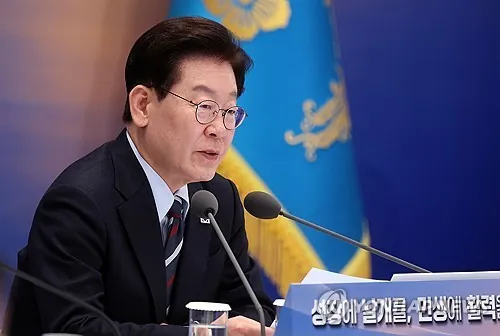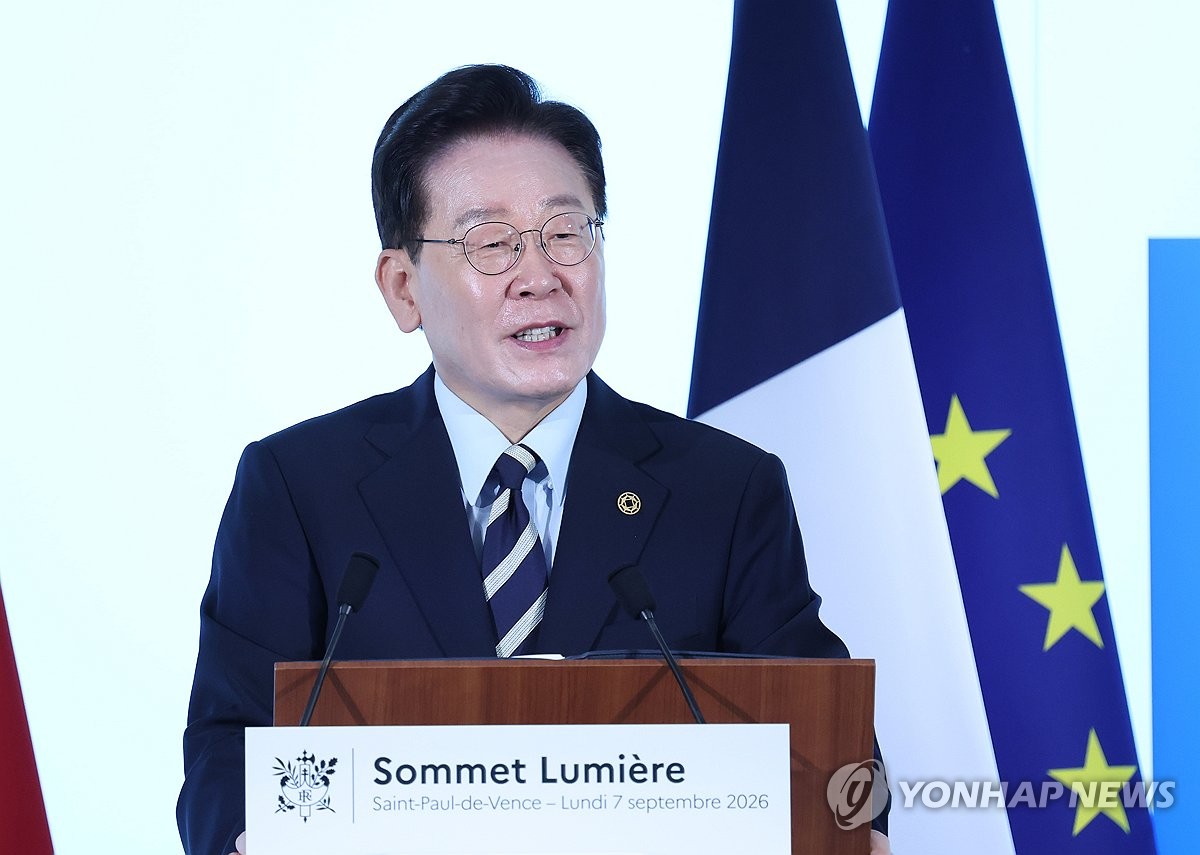
South Korean President Lee Jae-myung pledged on Tuesday, September 8, 2026, to pursue peace on the Korean Peninsula through a dual-track approach — maintaining robust military deterrence while keeping the door open to diplomatic dialogue with the North.
What happened
President Lee Jae-myung (South Korea’s head of state, who serves a single non-renewable five-year term) made the commitment in a formal address, vowing that his administration would not abandon engagement efforts even as it upholds a firm defense posture. The statement signals a continuation of a foreign and security policy line that pairs alliance solidarity — primarily with the United States — with an offer of conditional talks with Pyongyang. No specific new proposal or meeting date was announced; the remarks were a statement of governing intent.
Why Korea does it this way
South Korea’s approach to the North has oscillated for decades between “sunshine” engagement and pressure-first containment, depending on which party holds the Blue House (Cheong Wa Dae, the presidential office). Progressive administrations, including Lee’s Democratic Party of Korea (the center-left party that won the 2025 presidential election), have historically favored conditional dialogue alongside deterrence rather than isolation alone. The constitutional single-term presidency means the sitting president has no electoral incentive to defer hard decisions, so policy directions tend to be set early and pursued consistently. The ROK-US Mutual Defense Treaty (the 1953 alliance that commits U.S. forces to South Korea’s defense) forms the bedrock deterrence framework that any Korean president must work within, regardless of political orientation.
What it means for you
For most residents and workers in Korea, Tuesday’s statement does not change daily life immediately — it is a policy posture, not a new law or economic measure. However, the direction matters in several indirect ways:
- Foreign residents and expats: A stable, dialogue-oriented security environment generally supports the won (South Korea’s currency, KRW) and reduces geopolitical risk premiums on Korean assets. Prolonged inter-Korean tension tends to pressure the won lower and push up insurance costs for businesses operating in Korea.
- Investors: South Korean defense-related stocks and aerospace companies listed on the KOSPI (Korea’s main stock exchange) may see sentiment shift depending on how markets read the balance between deterrence spending and diplomatic opening. No specific procurement or budget decision was announced Tuesday.
- Policy-to-household link: If dialogue advances, sanctions (international trade restrictions on North Korea) could eventually ease cross-border economic activity, which would most directly affect inter-Korean industrial complex proposals and longer-term energy infrastructure plans — neither of which is imminent.
Watch next
- Any formal North Korean response to the Lee administration’s dialogue overture, which Pyongyang has so far not publicly acknowledged.
- The National Assembly (South Korea’s unicameral parliament) budget session, where defense and inter-Korean cooperation fund allocations will reflect how the deterrence-dialogue balance is financed.
- The next ROK-US Combined Military Committee meeting, which sets the operational parameters of the alliance’s deterrence posture.
Source: Yonhap News Agency
Was this useful?
What made the difference? Pick one.
What made the difference? Pick one.
Thanks. We read every answer.