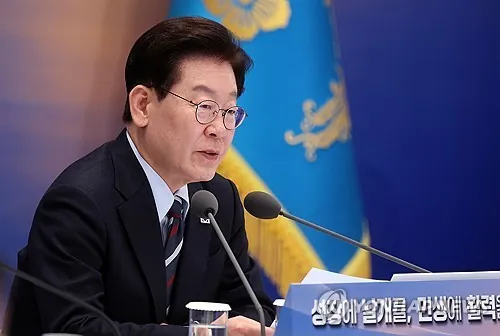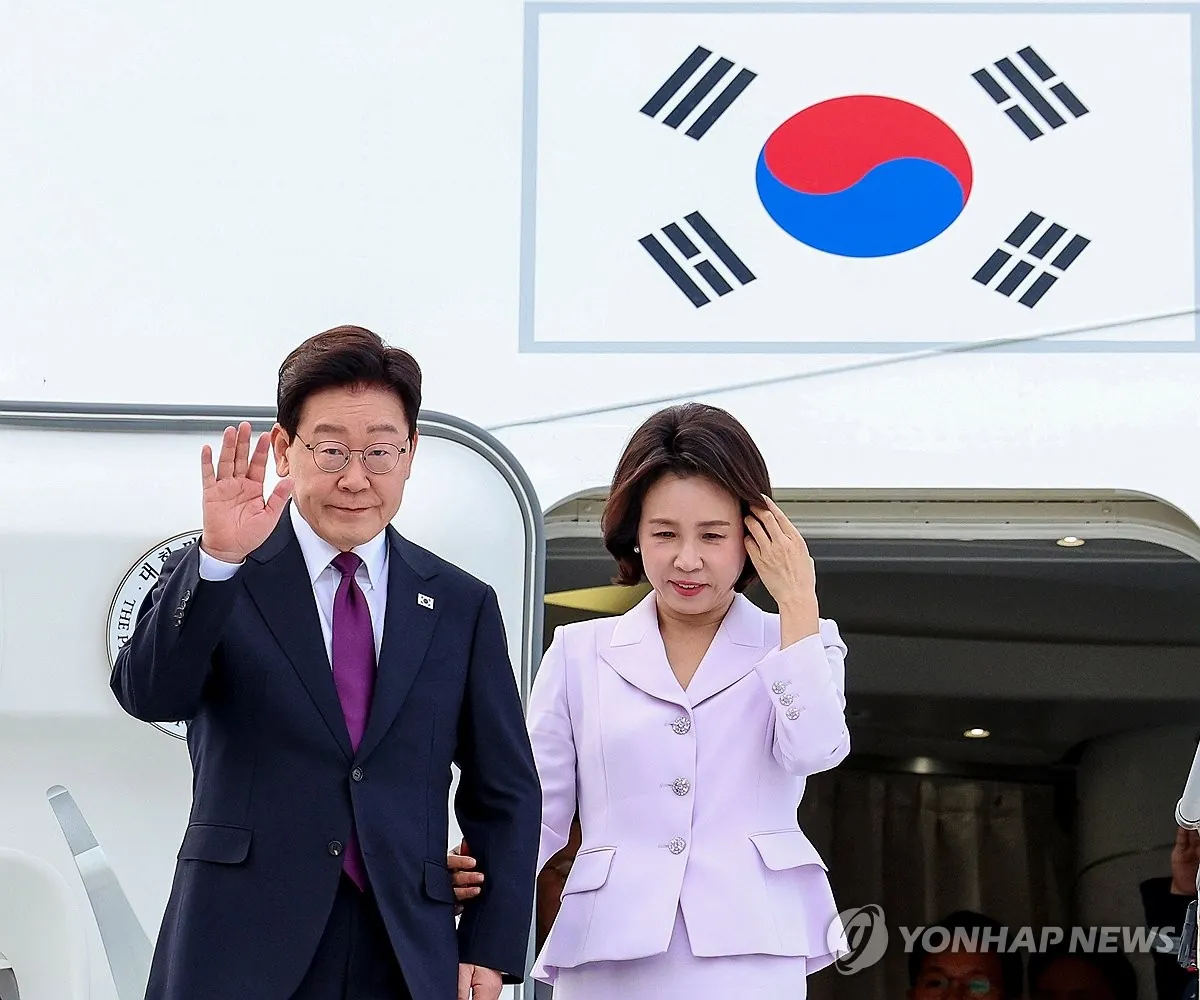
South Korean President Lee Jae Myung approved the appointments of a new small business minister and a deputy prosecutor general on Tuesday while attending the UN General Assembly in New York.
What happened
Presidential spokesperson Kang Yu-jung announced that President Lee signed off on two appointments on September 22, 2026. Lee So-young — a two-term lawmaker of the ruling Democratic Party (DP, the majority party in the National Assembly) — was confirmed as Minister of SMEs and Startups (the ministry overseeing small and medium-sized enterprises and new ventures). Separately, Lee Jeong-hyun, who headed the Suwon High Prosecutors’ Office, was appointed Deputy Prosecutor General at the Supreme Prosecutors’ Office (the country’s top prosecutorial body). Lee So-young had been nominated in late August as part of a broader Cabinet reshuffle. A lawyer by background specializing in climate and environmental law, she has served in parliament since 2020.
Why Korea does it this way
Under South Korea’s constitutional system, Cabinet ministers are nominated by the president and must appear before the National Assembly (Korea’s unicameral parliament) for a confirmation hearing. However — unlike in some other systems — the president is not legally required to receive a formal confirmation report before proceeding with the appointment. This means the president can, and frequently does, push through nominees even when the opposition boycotts hearings or withholds approval. The practice has long been contested: critics argue it circumvents legislative oversight, while supporters say it prevents political gridlock from paralyzing the executive branch.
What it means for you
This is primarily a political and administrative story, with limited immediate financial impact for most readers. However, the ministerial change carries some practical relevance:
- Small business owners and startup founders: The SME and Startups Ministry administers loan guarantee programs, policy financing, and grants for small businesses. Leadership transitions can briefly delay approvals or shift program priorities. Watch for the new minister’s first policy address for signals on any changes to existing support frameworks.
- Investors in Korean small-cap stocks: The ministry oversees the KOSDAQ-listed small and mid-cap ecosystem and coordinates startup-related tax incentives. A minister with an environmental law background may tilt future programs toward green tech and climate-adjacent startups.
- Foreign residents and expats: No direct impact on daily costs, taxes, or residency rules at this stage. If nothing is decided yet on specific policy changes, a ministerial confirmation is a precondition — concrete program shifts would require separate announcements.
Watch next
- Minister Lee So-young’s inaugural policy address at the SME Ministry — date not yet set, decided by the minister’s office — will signal whether startup grant and loan programs will be restructured.
- The National Assembly’s next session (regular session opened September 1, 2026; budget deliberations run through December) may produce a formal response to the unilateral appointment, particularly from opposition parties — watch for any parliamentary motion challenging the process.
- Supreme Prosecutors’ Office leadership lineup: the new Deputy Prosecutor General Lee Jeong-hyun takes up duties immediately; watch for any announcements on ongoing high-profile investigations that may be affected by the reshuffle, tied to specific case disclosure dates.
Source: Yonhap News Agency
Was this useful?
What made the difference? Pick one.
What made the difference? Pick one.
Thanks. We read every answer.