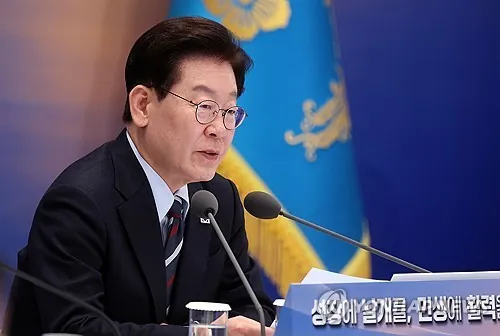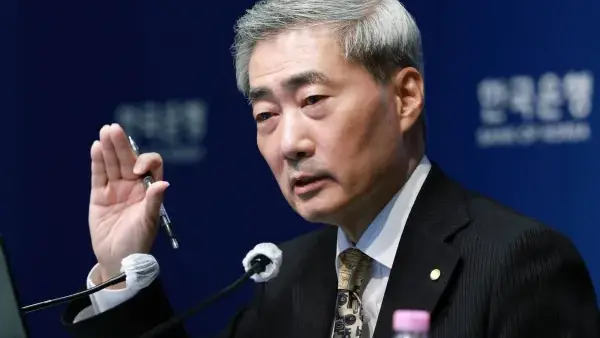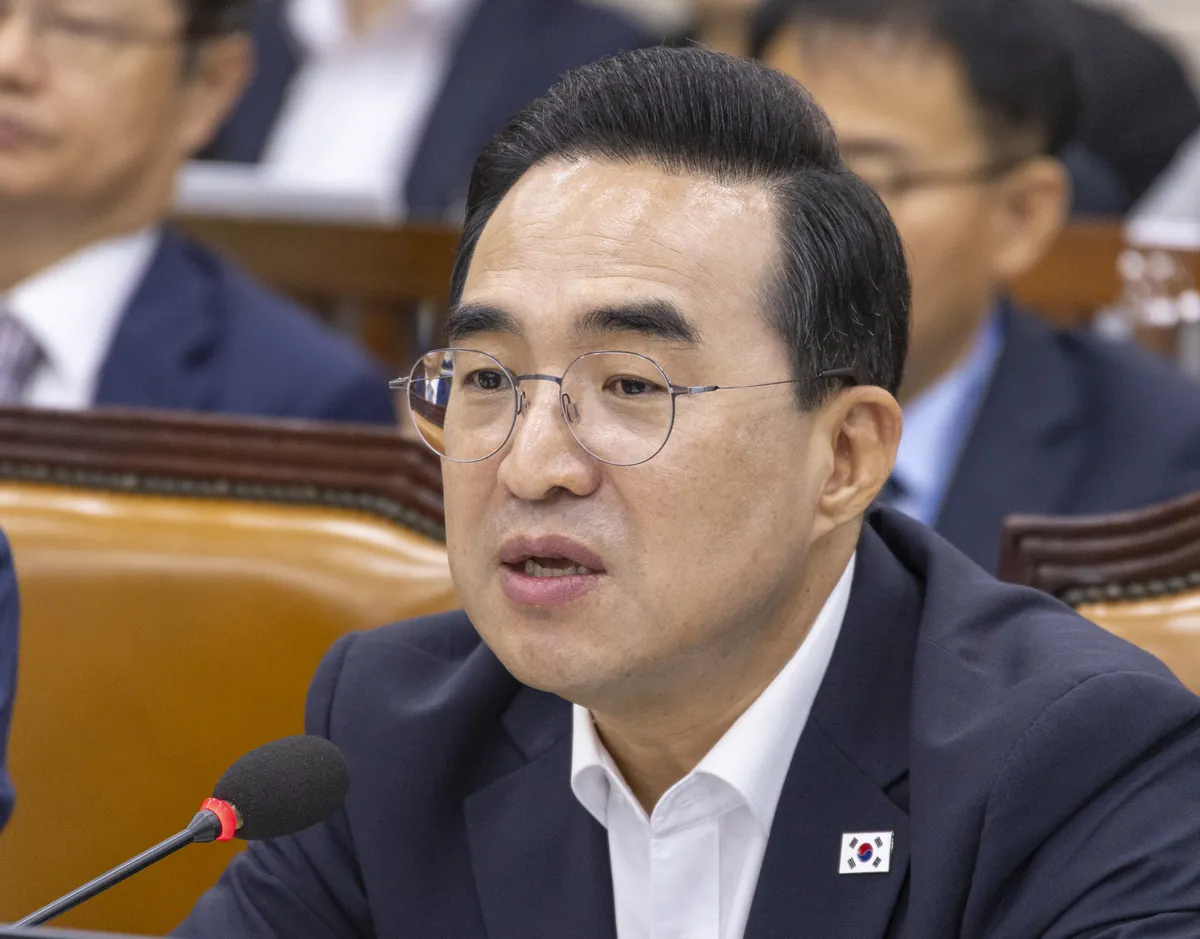
South Korea’s Minister of Planning and Budget applied very different standards to two cabinet nominees under fire this week, while also defending a record-high proposed national budget at a National Assembly (South Korea’s single-chamber, 300-seat parliament) committee hearing.
What happened
Speaking on the YTN Radio program Jang Seong-Cheol News Myeongdang on September 8, 2026, Minister of Planning and Budget Park Hong-Geun offered sharply contrasting assessments of two presidential cabinet nominees. For Justice Minister nominee Kim Seung-Won, who faces allegations linked to lobbying around COVID-19 clinical trial approvals, Park said there “seem to be some unfair aspects” — noting the investigation had originated under a previous justice minister and that the Prosecutor General had issued a suspension of indictment. But for Gender Equality and Family Minister nominee Yong Hye-In, Park took a harder line, saying “excessive ambition or overreach runs counter to public sentiment” and suggesting her conduct had invited criticism by seeking “too many privileges.” The remarks came as Park also appeared before the National Assembly’s Committee on Fiscal and Economic Planning, where he defended a proposed national budget of over 820 trillion won (approximately USD 600 billion, an all-time high) and announced a Future Response Fund (a dedicated reserve pool for strategic national investment) of 162 trillion won, with semiconductor manufacturing singled out as requiring “bold and swift investment.”
Why Korea does it this way
In Korea’s presidential system, cabinet nominees are scrutinised through National Assembly confirmation hearings, but the president retains the power to appoint most ministers even without parliamentary approval — making public and political pressure the main check. The Ministry of Planning and Budget (MPB) holds unusual authority: it sets the overall spending envelope and allocates funds across all ministries, so the minister’s public comments carry policy weight beyond any one nomination fight. Korea has run expansionary budgets in recent years to offset demographic headwinds — the country has one of the world’s lowest birth rates — and to fund industrial policy aimed at keeping its semiconductor sector globally competitive.
What it means for you
Taxpayers and public-sector workers: A budget at a historic high of 820 trillion won signals continued government spending even as revenue growth is expected to remain roughly on track. Watch for where the 162 trillion won Future Response Fund is actually directed — semiconductor subsidies and R&D grants are the stated priority.
Foreign residents and expats: The Gender Equality and Family Ministry (which oversees childcare policy, multicultural family support, and gender-related programmes) remains in political limbo until Yong Hye-In’s nomination is resolved. Delays in confirming that minister can slow policy implementation for affected programmes.
Investors: The explicit government commitment to “bold and swift” semiconductor investment supports the policy backdrop for Korean chipmakers listed on the Korea Stock Exchange (KRX). No specific companies or contracts were named; the statement is a directional signal, not a procurement announcement.
Politics → policy chain: If either nomination collapses, the relevant ministry operates under an acting head, which typically slows major regulatory or budgetary decisions in that portfolio. Nothing is decided yet on either nominee; the president has not announced a final call.
Watch next
- National Assembly confirmation hearing outcomes for both Kim Seung-Won and Yong Hye-In — no dates confirmed as of September 8.
- Official budget bill submission to the National Assembly (the legal deadline is within 90 days of the fiscal year start; Korea’s fiscal year runs January–December).
- Prosecutor General’s final decision on the Kim Seung-Won investigation, which could change the political calculus around his nomination.
Source: The Korea Herald / Kyunghyang Shinmun (English)
Was this useful?
What made the difference? Pick one.
What made the difference? Pick one.
Thanks. We read every answer.