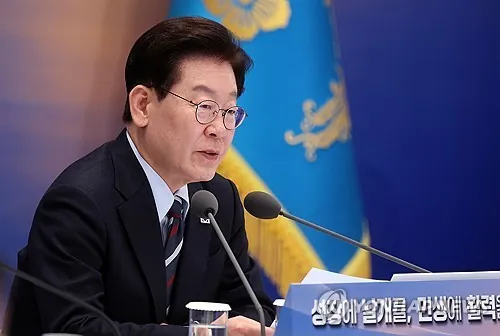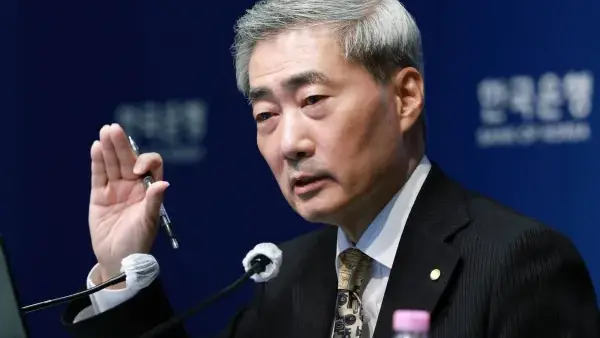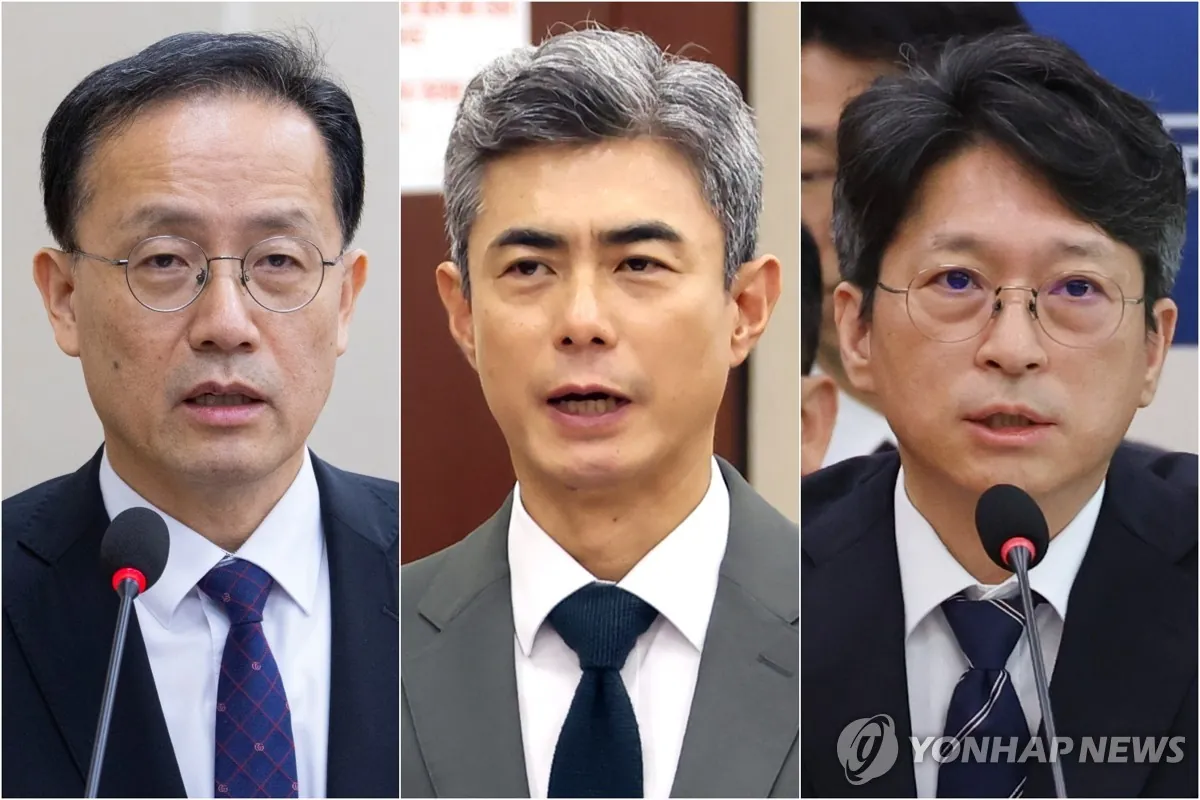
President Lee Jae Myung approved the appointments of three new cabinet ministers — for finance, defense, and land — on September 22, 2026, while en route to New York for the U.N. General Assembly.
What happened
President Lee signed off on the appointments of Finance Minister Lee Hyoung-il, Defense Minister Kang Shin-chul, and Land Minister Hong Jee-sun on September 22, 2026. All three nominees had recently completed their 인사청문회 (insa cheongmunhoe — confirmation hearings) before the National Assembly (Korea’s unicameral parliament). Crucially, the parliamentary committees overseeing each portfolio formally adopted hearing reports for all three nominees — a procedural step that signals committee endorsement, though it is not legally required for the president to proceed with an appointment.
Why Korea does it this way
Under Korea’s constitutional system, the president holds broad executive appointment powers. Cabinet ministers are nominated by the president and must undergo National Assembly confirmation hearings, but unlike the U.S. Senate confirmation process, Korea’s parliament cannot formally block a ministerial appointment — it can only adopt or withhold a hearing report. Presidents frequently appoint ministers even when parliamentary committees refuse to issue a report, making the hearing largely a public accountability mechanism rather than a hard veto gate. The fact that all three committees adopted reports in this case signals an unusually smooth confirmation process.
What it means for you
These appointments matter differently depending on who you are:
- Homeowners, renters and property investors: The incoming Land Minister (Ministry of Land, Infrastructure and Transport) sets housing supply targets, regulates the jeonse (a large lump-sum deposit paid instead of monthly rent) market, and approves major infrastructure projects. Watch for any early policy signals on housing loan limits or supply plans — check the current loan-to-value (LTV) thresholds at the Ministry of Land, Infrastructure and Transport.
- Taxpayers and savers: The new Finance Minister (Ministry of Economy and Finance) oversees the national budget, tax policy, and financial regulation. The 2027 budget cycle is already underway — any fiscal stance shift under the new minister could affect income tax thresholds or VAT rules. Check current rates at the Ministry of Economy and Finance.
- Foreign residents and investors: Defense spending levels — set in part by the incoming Defense Minister — influence Korea’s sovereign credit profile and defense-industry stocks listed on the KOSPI (Korea Composite Stock Price Index). Korea’s defense budget as a share of GDP is a figure to verify at the Ministry of National Defense.
- All residents: Because President Lee signed the appointments while departing for the U.N. General Assembly, substantive policy announcements from all three ministries are likely to follow after he returns, rather than immediately.
Watch next
- President Lee’s return from the U.N. General Assembly in New York (date not yet set publicly — watch the Presidential Office schedule at president.go.kr) for the first post-appointment cabinet meeting and any policy directives to the three new ministers.
- The National Assembly’s regular session (정기국회, jeonggi gukoe — the fall parliamentary session, which runs from September to December each year): watch for budget bill debates in October–November 2026 that will reveal the Finance Minister’s fiscal priorities for 2027.
- Any announcement from the Ministry of Land, Infrastructure and Transport on housing supply or jeonse loan cap adjustments — if the LTV cap for jeonse-backed loans moves by more than 5 percentage points, it would directly change how much tenants can borrow against their deposits.
Source: Yonhap News Agency (English)
Was this useful?
What made the difference? Pick one.
What made the difference? Pick one.
Thanks. We read every answer.