The CEO of a South Korean industrial conglomerate has borrowed 2 billion won (roughly $1.4 million USD) against shares she already owns to buy more shares from her own father — and the price of those shares has now fallen to exactly the level that could trigger forced selling.
What happened
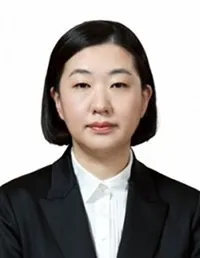
On October 13, 2026, Lee Ji-sun — CEO of Shinsung E&G (신성이엔지), a South Korean energy and industrial services company — borrowed 2 billion won from Hanyang Securities using her existing shareholding as collateral. She used the funds to purchase 115,600 shares from her father, Lee Wan-keun, the company’s founder and chairman, at 17,250 won per share in an off-market transaction (a private deal between two parties, not executed through the public stock exchange). Her ownership stake rose from 8.25% to 8.82%.
Chairman Lee sold a total of 173,300 shares in this transaction. The remaining 57,700 shares not bought by his daughter went to his eldest daughter, Lee Jeong-sun (who serves as CEO of Shinsung subsidiary Shinsung Enex), and to Shinsung Enex itself. The transaction does not change the family’s combined ownership, so it has no direct effect on management control. Shinsung E&G described the move on its website as expected to have “a positive effect on governance continuity and management stability.”
The loan from Hanyang Securities carries an interest rate of 6% — the highest across Lee Ji-sun’s existing portfolio of stock-backed loans — and a collateral ratio of 150%, meaning 195,714 pledged shares must remain worth at least 150% of the 2 billion won borrowed. The loan matures on January 11, 2027.
Why Korea does it this way
Founding families retaining dominant control of large Korean companies through successive share transfers — from founder to children — is a long-established feature of the chaebol (재벌, large family-owned conglomerate) and near-chaebol corporate landscape. Because full gift or inheritance taxes on share transfers can be substantial, staged transfers during the founder’s lifetime are common. Stock-backed loans (주식담보대출, loans secured by shares rather than property) are a widely used tool in Korea for shareholders who need liquidity without selling their equity stake outright. However, they create a feedback risk: if the share price falls, the collateral loses value, triggering margin calls or forced liquidation that can itself push the price lower.
What it means for you
Investors in Shinsung E&G: The stock closed at exactly 15,330 won on October 20, 2026 — the same level that the article identifies as the approximate forced-liquidation trigger. If the price dips below this threshold, Hanyang Securities may demand additional collateral or begin selling the pledged 195,714 shares. That forced selling could add downward pressure to the share price. More than half of the combined 21.18% family stake is already pledged across multiple loans, meaning the total overhang is significant. Separately, the company stated it has “no current plans” for a rights offering (신주발행, issuing new shares to raise cash, which dilutes existing holders), which had been a concern among shareholders.
General market watchers: This is a company-specific governance story, not a sector-wide or macroeconomic event. Its direct impact is limited to shareholders and creditors of Shinsung E&G.
Watch next
- January 11, 2027: Loan maturity date. If Lee Ji-sun cannot repay or roll over the 2 billion won loan by this date, Hanyang Securities is entitled to liquidate pledged shares. Watch for any refinancing announcement or share-price movement in the weeks prior.
- Liquidation trigger — 15,330 won: The share price is already at this threshold as of October 20. Any sustained close below this level could activate a margin call. Check the Shinsung E&G ticker on the Korea Exchange (KRX) for daily closes.
- Next Shinsung E&G disclosure (date not yet set — triggered by any material ownership change): Korean listed companies must file with the Financial Supervisory Service (FSS) within five business days of any change exceeding 1% of outstanding shares. A forced-sale event would require such a filing.
FAQ
Why did Shinsung E&G’s CEO borrow money to buy her father’s shares?
Lee Ji-sun used a 2 billion won stock-backed loan from Hanyang Securities to purchase 115,600 shares from her father, the company founder — but the reason for the transaction has not been publicly disclosed. The company said it supports governance continuity, but no further explanation was given.
What happens if Shinsung E&G’s share price falls below 15,330 won?
If the share price drops below approximately 15,330 won — the collateral threshold on Lee Ji-sun’s new loan — Hanyang Securities can demand additional collateral or sell the 195,714 pledged shares through forced liquidation; the stock was trading at exactly that level on October 20, 2026.
Source: The Elec
Was this useful?
What made the difference? Pick one.
What made the difference? Pick one.
Thanks. We read every answer.