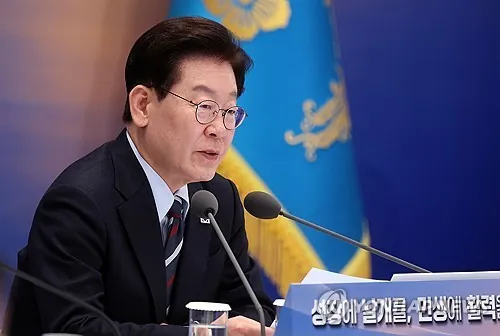
South Korea’s newly created Serious Crimes Investigation Agency (SCIA) launched on October 2, 2026, as President Lee Jae Myung moved to formally confirm its first director — a milestone in the ruling party’s long-sought prosecution reform agenda.
What happened
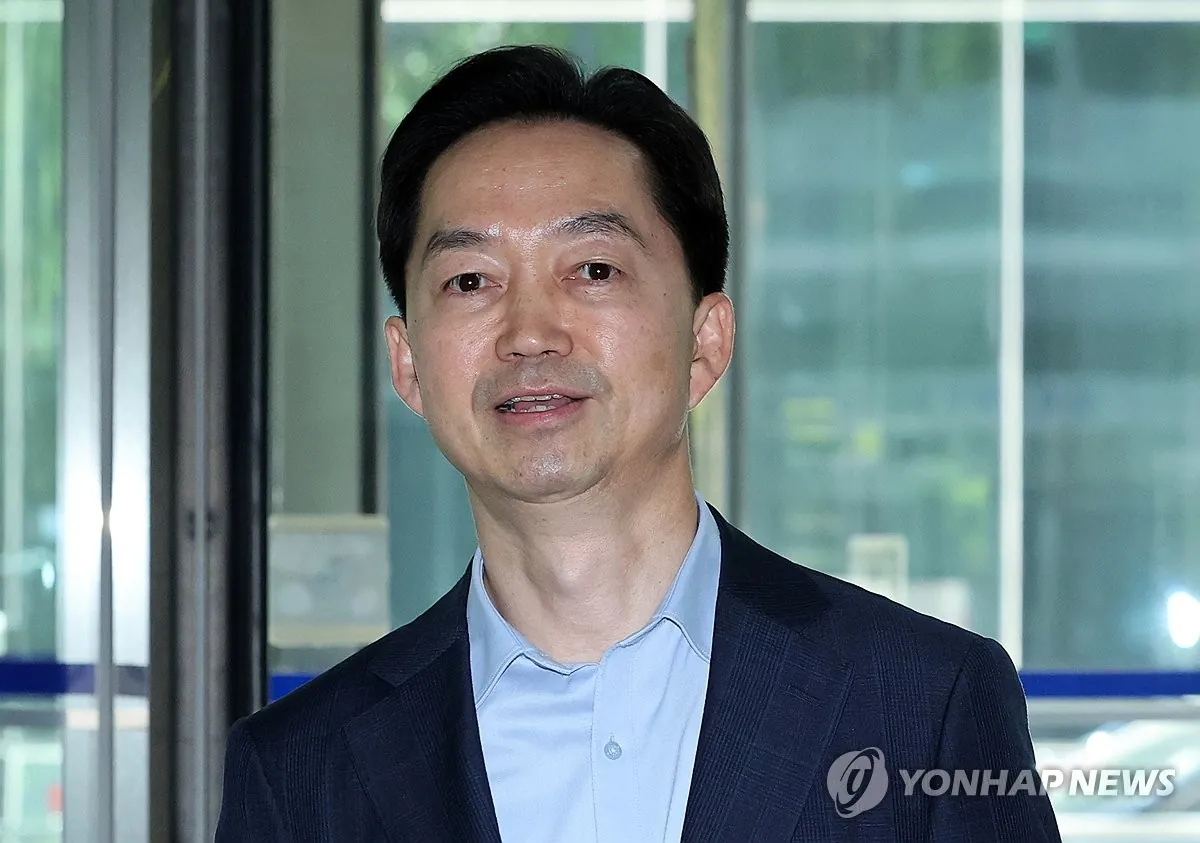
The SCIA officially began operations on October 2, 2026, taking over from the prosecution service the power to investigate serious crimes. Simultaneously, the prosecution service was renamed the Public Prosecution Service (PPS) and stripped down to a single function: indicting suspects and maintaining those indictments in court. President Lee Jae Myung approved a formal request for a parliamentary confirmation hearing for Kim Ji-yong, his nominee to lead the SCIA. Kim was originally nominated in early September 2026 on the recommendation of the interior minister, but faced questions within the ruling Democratic Party over claims he had previously opposed prosecution reform. The presidential office said an additional vetting process found no reason to withdraw the nomination.
Why Korea does it this way
South Korea’s prosecution service (검찰, geomchal) has historically held both the power to investigate crimes and the power to indict — a combination critics argue concentrates too much authority in one institution, prone to selective prosecution of political opponents. The Democratic Party, drawing on years of friction with prosecutors during prior administrations, campaigned to separate investigation from indictment and create a dedicated agency for serious crimes. This mirrors structures common in other democracies, where investigative police and prosecutorial functions are institutionally separate. Under Korea’s constitution, cabinet-level nominees are presented to the National Assembly for a confirmation hearing (인사청문회, insa cheongmunhoe), but the president may appoint them even if the Assembly declines to issue a formal confirmation report.
What it means for you
This is primarily a political and institutional story — no immediate changes to taxes, interest rates, or household finances are triggered by the SCIA launch. However, the reform has downstream implications worth tracking:
- Foreign investors and businesses: White-collar and financial crime investigations — the kind that can freeze assets or trigger regulatory action against listed companies — will now run through the SCIA rather than the PPS. If you or your company faces a serious-crime inquiry in Korea, the agency you deal with has changed as of today.
- Residents and expats: Day-to-day interaction with police or minor legal matters is unaffected. The PPS retains the sole power to formally charge suspects, so the court process you would navigate as a victim or defendant is largely unchanged.
- Political watchers: If Kim Ji-yong’s confirmation hearing surfaces new controversies, the president could still appoint him without Assembly approval — a procedural tension to monitor. A delayed or contested appointment could slow SCIA operations in its first weeks.
Watch next
- National Assembly confirmation hearing for Kim Ji-yong — date not yet set; decided by the National Assembly speaker’s office after receiving the presidential request submitted around October 2, 2026.
- Whether President Lee formally appoints Kim before or after the hearing concludes — watch for a presidential office announcement; under Korean law, appointment can proceed without a positive confirmation report.
- SCIA’s first major case announcement — no date set; the trigger to watch is the agency’s first formal opening of a serious-crimes investigation, which will signal operational readiness and define its early mandate.
Source: Yonhap News Agency
Was this useful?
What made the difference? Pick one.
What made the difference? Pick one.
Thanks. We read every answer.