South Korea’s National Assembly (the country’s single-chamber parliament) opens its annual state audit on October 6, and a fierce political fight is underway over which business leaders will be forced to testify — with hundreds of trillions of won in government-backed investment projects at the center of the dispute.
What happened
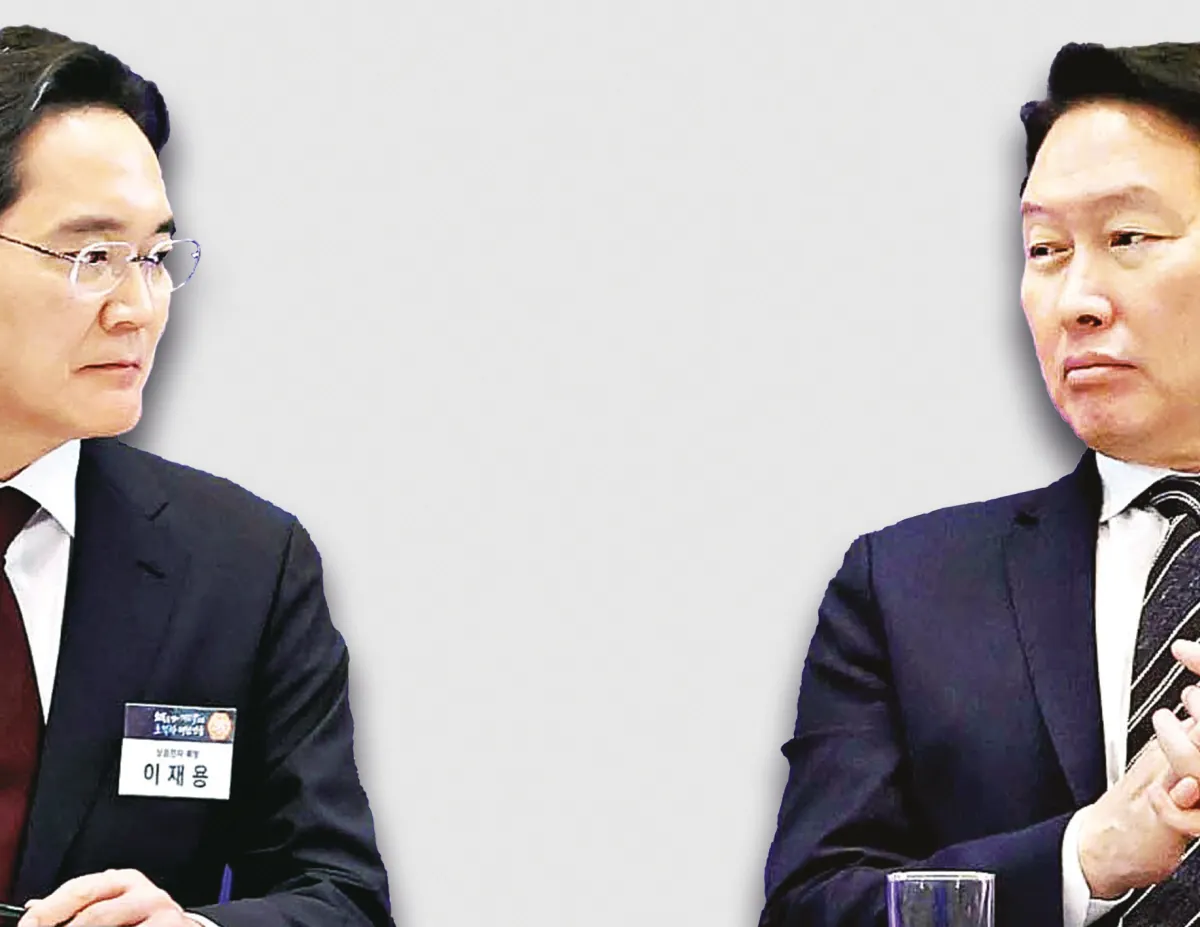
Five days before the audit begins, the ruling Democratic Party and the opposition People Power Party (PPP) are deadlocked over witness lists across multiple parliamentary committees. The Democratic Party — which holds a majority in the Assembly — has asked each standing committee to refrain from calling major conglomerate heads, with floor leader Han Byung-do accusing the PPP of using witness summons as a tool for “public shaming.” The opposition, meanwhile, is pushing to call Samsung Electronics Chairman Lee Jae-yong and SK Group Chairman Chey Tae-won to probe alleged government pressure over an approximately 800-trillion-won (roughly US$580 billion) national semiconductor investment program. Separately, former Blue House (presidential office) policy chief Kim Yong-beom, Mirae Asset Group Chairman Park Hyun-joo, and Korea Investment Financial Holdings Chairman Kim Nam-goo are contested witnesses related to the introduction of single-stock leveraged ETFs (exchange-traded funds that use borrowed money to amplify bets on a single company’s shares). Witnesses already confirmed include MBK Partners (a major private equity firm) Chairman Kim Byung-ju, Tving CEO Choi Ju-hee, Korean Air Chairman Cho Won-tae, Coupang’s chief information security officer, Meta Korea’s CEO, Google Korea’s president, and JYP Entertainment co-chair Park Jin-young. The MBK hearing is set for October 7 at the SME (small and medium enterprise) and Startups Committee, focusing on its controversial takeover of Homeplus (a large discount retail chain), which filed for court receivership earlier this year.
Why Korea does it this way
Korea’s annual National Assembly state audit (국정감사, gukjeong gamsa) is a constitutionally mandated 20-day review, typically held in October, during which lawmakers can compel witnesses — including private-sector executives — to appear and answer questions under oath. Refusal to comply or giving false testimony can carry criminal penalties. The process dates to the 1988 democratic constitution and is one of the legislature’s most powerful oversight tools. Because the audit coincides with the political calendar and receives blanket media coverage, summons are frequently used to score political points as much as to gather facts — which is why both parties fight hard over the witness list each year.
What it means for you
Investors in Korean equities: Samsung Electronics (005930.KS) and SK Hynix (000660.KS) — both central to the 800-trillion-won semiconductor megaproject — are among the largest components of the KOSPI index (Korea’s main stock exchange benchmark). Audit testimony can trigger short-term volatility in these names; no change to project funding has been announced, and any such change would require a separate legislative vote. The leveraged single-stock ETF dispute touches Mirae Asset and Korea Investment, both significant players in Korea’s retail brokerage market; the policy outcome is not yet decided.
Homeplus shoppers and suppliers: MBK Partners Chairman Kim Byung-ju is confirmed to testify on October 7. Homeplus’s court receivership process is ongoing; the audit testimony may clarify the timeline but does not itself change the legal proceedings.
Data privacy: The Tving, Meta Korea, Google Korea, and Coupang witnesses are linked to data leak investigations. If the audit leads to new regulatory guidance, it could affect how personal data from streaming and e-commerce platforms is handled — but any rule changes would go through a separate legislative or regulatory process first.
Foreign residents and expats: There is no immediate effect on daily costs, rents, or visa rules. The leveraged ETF policy debate is the item most likely to affect retail investment accounts held by foreign residents; watch for a Financial Services Commission (FSC) ruling, which has not been scheduled as of today.
Watch next
- October 6, 2026: National Assembly state audit officially opens — final confirmed witness lists for all committees will be published; check whether Lee Jae-yong and Chey Tae-won are added or dropped.
- October 7, 2026: MBK Partners Chairman Kim Byung-ju testifies at the SME Committee — listen for any concrete disclosure on Homeplus’s restructuring timeline or creditor terms.
- Date not yet set — decided by the Political Affairs Committee: A vote on whether to summon former Blue House policy chief Kim Yong-beom over the single-stock leveraged ETF introduction; the outcome will signal whether the FSC faces pressure to reverse or pause the product.
Source: Kyunghyang Shinmun (The Khan)
Was this useful?
What made the difference? Pick one.
What made the difference? Pick one.
Thanks. We read every answer.



