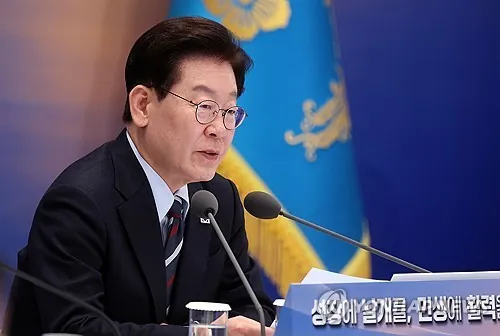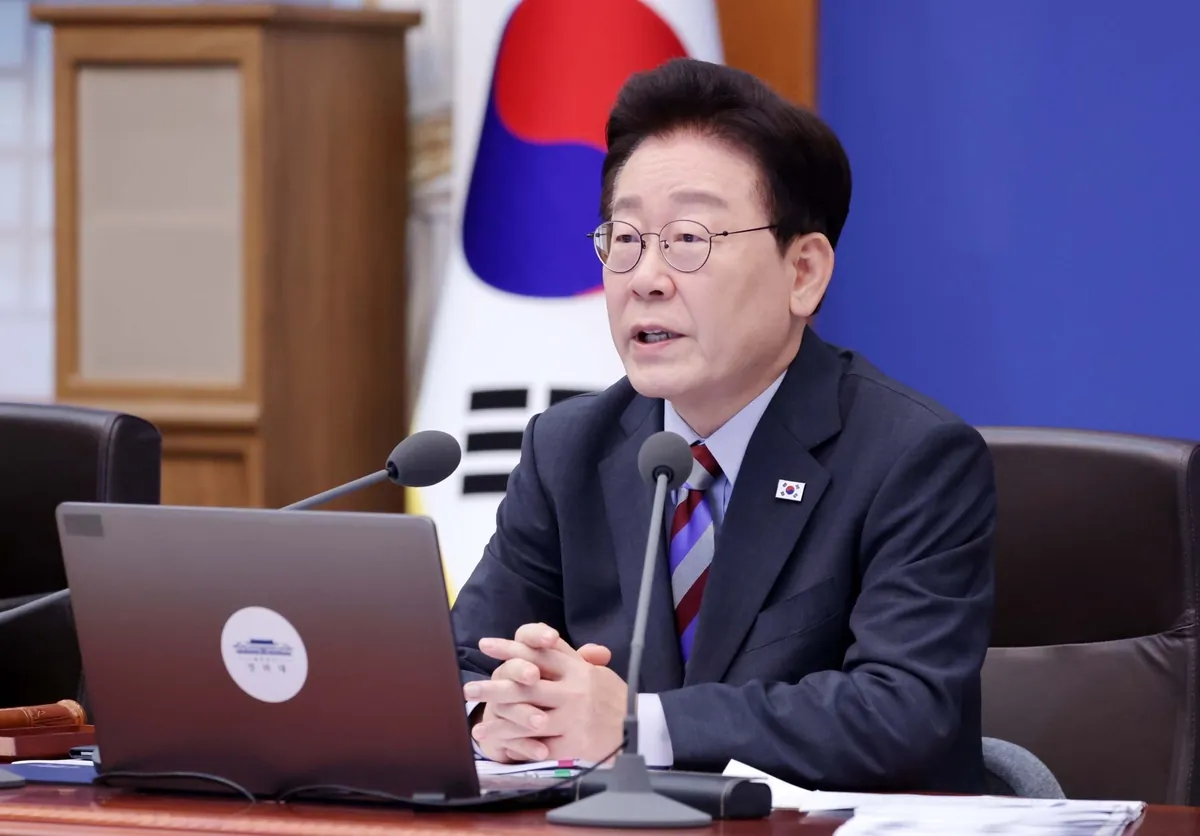
President Lee Jae Myung has not yet sent the National Assembly a confirmation-hearing request for Kim Ji-yong, his pick to head the newly created Serious Crimes Investigation Agency, even as the agency is set to officially launch on October 2, 2026.
What happened
The Serious Crimes Investigation Agency (SCIA — Korea’s newly established body with jurisdiction to investigate and prosecute senior public officials for serious crimes, separate from the regular prosecution service) is scheduled to open on October 2, 2026. Under Korean procedure, the president nominates the agency head, the National Assembly holds a confirmation hearing (인사청문회, insa cheonmunhoe — a parliamentary vetting session), and the president may then appoint the nominee even without a formal confirmation report from the Assembly.
As of September 30, President Lee had not yet forwarded the hearing request to the National Assembly for Kim Ji-yong, his nominated inaugural Director. Cheong Wa Dae (청와대 — the presidential office, literally “Blue House”) said an additional internal vetting found no grave disqualifying issue, but that “political considerations are being weighed.” A second official said withdrawal of the nomination was “difficult to imagine” and that the president would decide “at what point and with what message” to send the request.
The hesitation stems from criticism within the broader ruling coalition. The Cho Kuk Innovation Party’s spokesperson called on Kim to withdraw voluntarily, and at least one Democratic Party lawmaker publicly opposed the pick. Critics label Kim a “pro-Yoon prosecutor” — a reference to former President Yoon Seok-yeol — and argue he is insufficiently committed to prosecution reform. The presidential office disputes this characterisation: Kim was demoted in June 2022, a year after he ordered a reinvestigation of a case involving Choi Eun-sun, the mother-in-law of former President Yoon, which the office cites as evidence of his independence. Some ruling-camp legislators, by contrast, want the hearing moved quickly to avoid a leadership vacuum on opening day.
Why Korea does it this way
Korea’s confirmation-hearing system was introduced in 2000 to add parliamentary scrutiny to presidential appointments that were previously unchecked. Crucially, the system gives the president the final word: a nominee can be appointed even if the National Assembly declines to issue a confirmation report, which means the hearings are politically costly but not legally binding. The SCIA itself was created as a check on the prosecution service (검찰, geomchal) after years of controversy over prosecutorial overreach, making the identity and perceived independence of its first director symbolically and practically significant to reform advocates.
What it means for you
If you are a foreign investor or Korea-watcher: The SCIA’s mandate covers senior officials, including those in the financial regulatory chain. A leadership vacuum or a director seen as politically compromised could slow or soften early enforcement actions. No decisions have been made yet; watch for whether the president sends the hearing request before or after the October 2 launch — a post-launch delay signals the office is prioritising coalition management over institutional momentum.
If you are an expat or long-term resident: This story does not directly affect daily finances. Its significance is institutional: the SCIA is Korea’s primary mechanism for holding senior public officials accountable for corruption and abuse of power, so who leads it — and how that person is seen to be chosen — matters for long-run rule-of-law confidence.
Note: if nothing is decided yet, the concrete trigger is the submission of the confirmation-hearing request to the National Assembly (date not yet set — decided by President Lee).
Watch next
- October 2, 2026 — SCIA launch date: If the confirmation-hearing request has still not been submitted by this date, the agency will open without a confirmed director, intensifying political pressure on the president to act.
- Confirmation-hearing request submission (date not yet set — decided by President Lee): Once sent, the National Assembly has a set number of days to schedule and conduct the hearing; track whether it is submitted before or after the October 2 launch as a signal of political calculus.
- Cho Kuk Innovation Party and Democratic Party floor positions: If a majority of ruling-coalition legislators formally oppose Kim in writing, the president faces a choice between appointment without a confirmation report or withdrawal — a precedent-setting moment for SCIA independence.
Source: The Kyunghyang Shinmun (경향신문)
Was this useful?
What made the difference? Pick one.
What made the difference? Pick one.
Thanks. We read every answer.