South Korean financial authorities have exposed a coordinated insider-trading ring made up of finance-industry insiders who collectively pocketed more than ₩20 billion (roughly $14.7 million) in illegal stock profits.
What happened
A joint response team — drawing on officials from the Financial Services Commission (FSC, Korea’s top financial regulator), the Financial Supervisory Service (FSS, its enforcement arm), and prosecutors — announced on September 29, 2026 that it had cracked a network of financial-sector professionals who exploited non-public corporate information to trade stocks ahead of market-moving announcements. The group is described as “financial elites,” suggesting members with insider access at listed companies, investment banks, or asset managers. Total illicit gains exceeded ₩20 billion (~$14.7 million at current exchange rates). The exact number of suspects and the names of the companies whose information was misused had not been confirmed in the reporting available at publication time — check the FSC’s official press releases at fsc.go.kr for the full indictment details.
Why Korea does it this way
Korea has long grappled with a culture of information asymmetry in its equity markets, where personal networks — school ties, corporate alumni circles — can blur the line between legal market intelligence and illegal tip-passing. The Financial Investment Services and Capital Markets Act (FSCMA), enacted in 2009, consolidated Korea’s securities laws and significantly raised penalties for insider trading, but critics have argued enforcement remained inconsistent. Joint crackdown teams pairing the FSC, FSS, and prosecutors were introduced precisely to cut through jurisdictional fragmentation: the FSC sets policy, the FSS gathers market surveillance data, and prosecutors carry arrest and indictment powers. The Korea Exchange (KRX) also feeds real-time unusual-trading alerts into this pipeline.
What it means for you
Retail investors on the Korea Stock Exchange (KOSPI/KOSDAQ): Insider trading inflates price moves around corporate announcements, leaving ordinary investors on the wrong side of trades. Tighter enforcement — if sustained — should narrow the information gap. Watch whether the FSC follows this case with stricter pre-announcement quiet periods or mandatory disclosure windows; no new rules have been announced yet.
Foreign investors and Korea-watchers: MSCI and FTSE monitor market-integrity standards as part of their index-inclusion criteria. Korea has been a candidate for MSCI Developed Market status for years; high-profile insider-trading convictions can strengthen — or, if they reveal systemic problems, weaken — that case. Korea’s weighting in the MSCI Emerging Markets Index is roughly 10–12% (verify current weight at msci.com); a meaningful governance improvement could affect passive fund flows.
Finance-sector workers: If you work at a Korean brokerage, bank, or listed company’s IR team, be aware that joint FSC-FSS surveillance of trading patterns around earnings and M&A announcements has intensified — compliance training and information-barrier (Chinese wall) policies are under greater scrutiny.
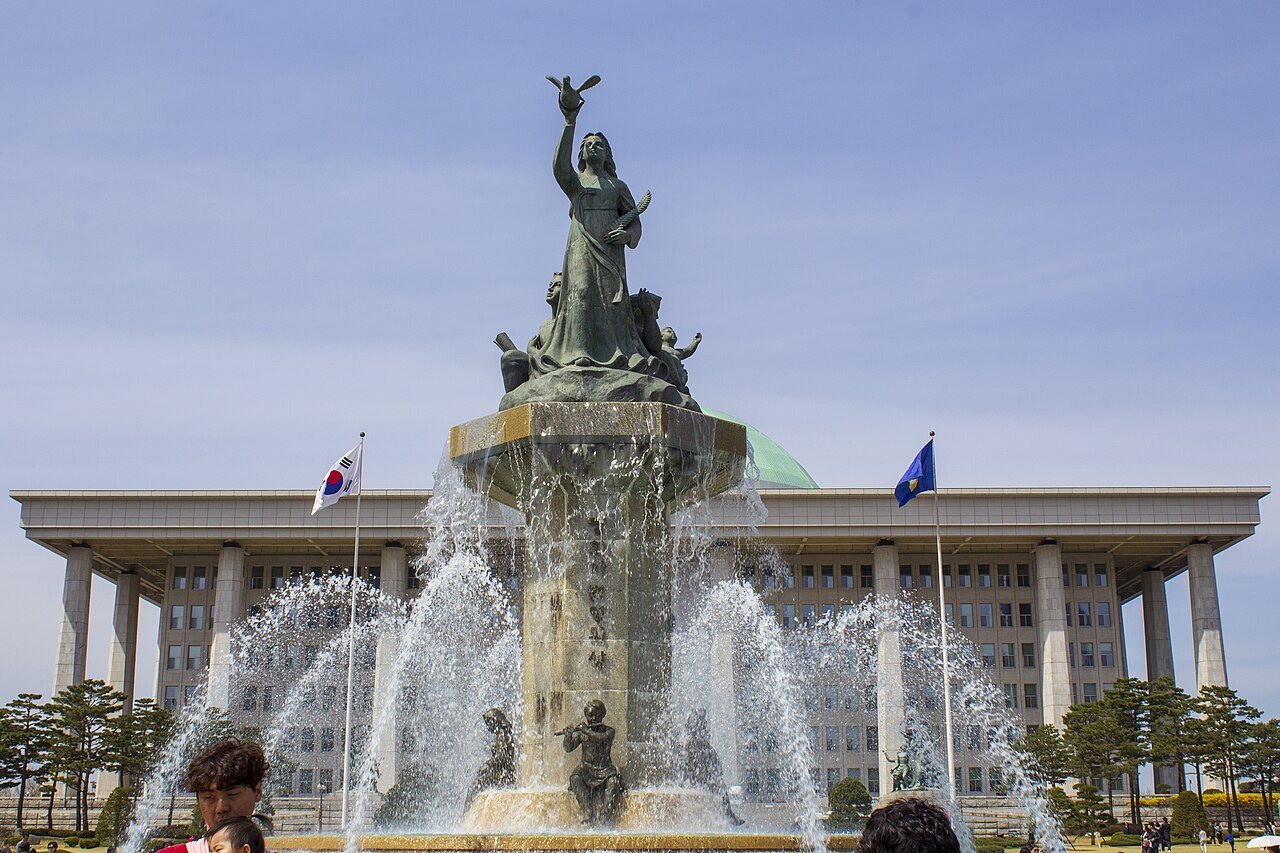
National Assembly connection: The ruling or opposition party may push legislative follow-up. Under Korea’s single-chamber National Assembly system, a party holding 180 of 300 seats can bypass filibuster procedures — meaning a well-supported securities-reform bill could pass quickly. No bill has been tabled yet as of September 29, 2026.
Watch next
- FSC formal charges announcement: Date not yet set — watch fsc.go.kr for the official indictment press release, which will name suspects, companies, and final profit figures.
- National Assembly legislative session (ongoing, fall 2026): If a securities-law amendment is introduced, the first committee vote would be the trigger — monitor the National Assembly bill tracker at assembly.go.kr for any FSCMA amendment filings.
- MSCI market-accessibility review: MSCI publishes its annual Market Classification Review results typically in June each year; the next review cycle result is due June 2027 — governance enforcement actions like this case may factor into the assessment.
Source: KBS World Radio
Was this useful?
What made the difference? Pick one.
What made the difference? Pick one.
Thanks. We read every answer.