South Korea’s president is reconsidering his nominee to lead a new serious-crimes prosecution body after political pushback over the candidate’s past opposition to judicial reform.
What happened
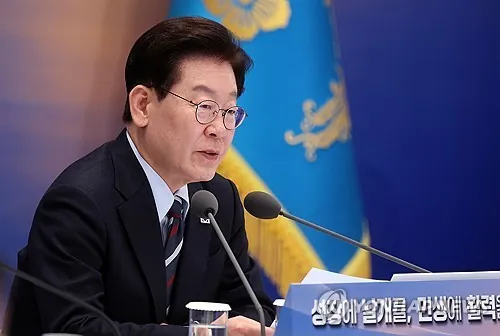
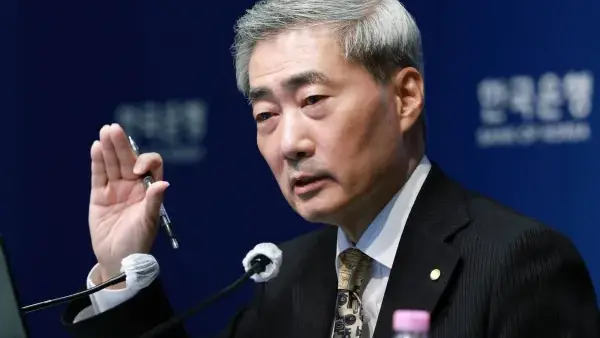
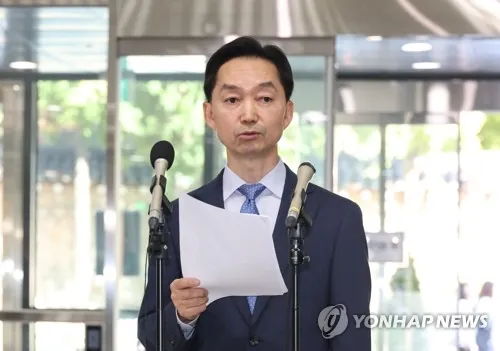
On September 14, 2026, Kim Ji-yong — a former prosecutor nominated to become the inaugural head of the planned Serious Crimes Investigation Agency (a new body designed to take over certain investigative powers from the prosecution) — publicly stated his support for ongoing criminal justice reform, reversing his earlier position. Some lawmakers in the ruling Democratic Party and the minor Rebuilding Korea Party criticized Kim, arguing he had previously opposed efforts to strip the prosecution of its investigative authority. In response, President Lee Jae Myung ordered an additional review of Kim’s nomination before referring it to the National Assembly (South Korea’s parliament) for a confirmation hearing.
Why Korea does it this way
South Korea’s prosecution service has historically held both the power to investigate crimes and the sole power to indict (formally charge) suspects — a concentration of authority long criticized as enabling prosecutorial overreach and political abuse. Reformers have pushed for years to separate these two functions, giving investigative authority largely to the police while leaving indictment power with prosecutors. The revised Criminal Procedure Act — set to take effect October 2, 2026 — is the culmination of that effort. The new Serious Crimes Investigation Agency, launching the same day, will absorb some investigative powers for major crimes such as corruption and financial fraud.
Under the Korean constitution, cabinet ministers and agency heads are nominated by the president and face National Assembly confirmation hearings, but the president can appoint them even without a positive confirmation report — making political optics, not votes, the main constraint.
What it means for you
This is primarily a political and institutional story rather than one with immediate household financial impact. However, the outcome matters in concrete ways depending on who you are:
- Foreign residents and expats: If you are ever investigated for a serious crime — tax fraud, financial misconduct — it will increasingly be the police, not prosecutors, who lead the investigation after October 2. The new agency adds a third investigative body for the most serious cases.
- Investors in Korean markets: The reform changes the legal risk landscape for corporate executives. Korea’s prosecution has historically pursued high-profile chaebol (large family-owned conglomerates) cases; how aggressively the new agency pursues similar cases will depend heavily on its leadership culture. Kim Ji-yong’s appointment — or his replacement — signals which direction that will go. No listed company is directly named in this report.
- Policy watchers: President Lee’s decision to order an additional review means the agency could launch October 2 without a confirmed head, creating institutional uncertainty in its earliest days.
Watch next
- October 2, 2026: The revised Criminal Procedure Act takes effect and the Serious Crimes Investigation Agency is scheduled to launch. Watch whether Kim Ji-yong has been formally nominated, confirmed, or replaced by this date.
- National Assembly hearing (date not yet set — scheduled by the Assembly after presidential referral): If President Lee refers Kim’s nomination, the confirmation hearing will surface detailed scrutiny of his past positions. A failed hearing or withdrawal before October 2 would require a new nominee.
- Ruling Democratic Party internal vote (no date set): If a majority of ruling-party lawmakers formally oppose the nomination, watch whether Lee overrides the opposition — a test of executive-legislative tension that could set precedent for future agency appointments.
Reported by Yonhap News Agency based on Kim Ji-yong’s remarks to reporters and statements from ruling party officials on September 14, 2026. Single-source report at time of writing; treat details as preliminary.
Source: Yonhap News Agency
Was this useful?
What made the difference? Pick one.
What made the difference? Pick one.
Thanks. We read every answer.