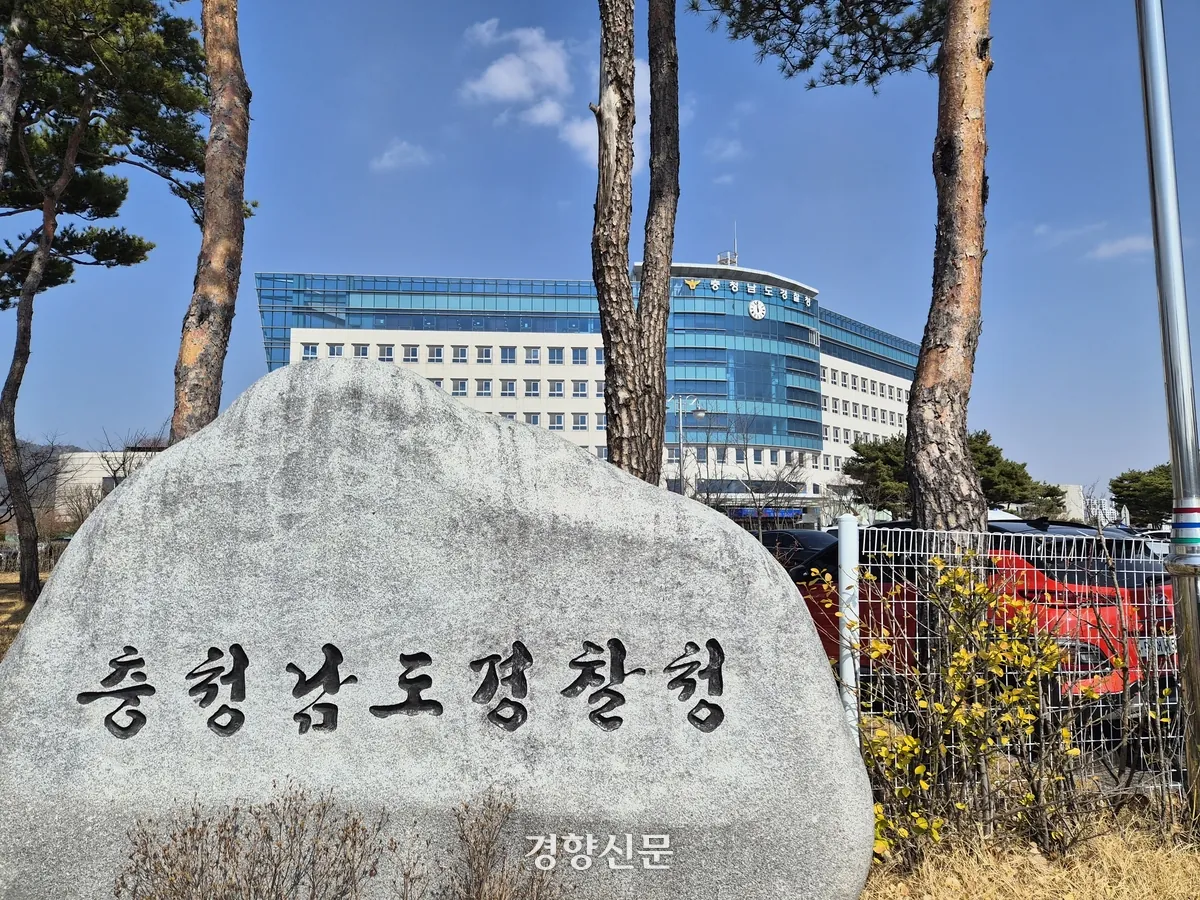
A pastor charged with abusing an 11-year-old child with an intellectual disability to death in Cheonan had simultaneously registered as the child’s government-paid care worker, collecting public welfare funds during the very period the child lay chained to a bed.
What happened
Pastor A, a man in his 60s, was indicted and detained after child B — an 11-year-old with an intellectual disability living at a church in Cheonan, South Chungcheong Province — died from abuse in early August 2026. Investigators from the Chungnam National Police Agency found that Pastor A had registered as B’s disability activity support worker (장애인활동지원사 — a government-subsidised personal assistant who helps people with disabilities with daily tasks), allowing him to bill the state for care hours.
Cheonan City had approved B for 120 hours per month of activity support services. Records show the following usage was logged and paid: 22 hours 30 minutes in June, 114 hours 30 minutes in July, and 15 hours 30 minutes in August — the last batch covering August 3–5, the very days B died. On August 5, a church official called paramedics at 8:49 p.m. reporting the child was “sick”; by that point B had been left restrained on a bed for more than 30 hours. Pastor A and B’s maternal grandmother (in her 50s) told police they chained the child because he was “difficult to manage.” The case was highlighted in the National Assembly by Representative Kim Yoon of the Health and Welfare Committee.
Why Korea does it this way
Korea’s Long-term Care and Disability Support system funds personal-assistant services for people with physical or intellectual disabilities through local government (si/gun/gu — city, county, or district offices), with the central government covering a large share of the cost. Recipients choose their own activity support worker, who can in principle be a family member, carer, or — as in this case — a religious figure in whose household the person lives. The system was designed to maximise choice and reduce institutionalisation, but that openness also means the approved worker and the recipient’s guardian can be the same person, creating a structural gap in oversight.
Hours are self-reported by the worker and typically verified by electronic log-in systems, but enforcement relies heavily on local government spot checks that vary in rigour across the country’s 226 municipalities.
What it means for you
This is a local criminal case, not a national policy change — no new rules have been announced as of September 11, 2026. However, several groups should take note:
- Foreign residents with disabled dependants: If you receive disability activity support services or act as a registered support worker, your usage logs are submitted to the local si/gun/gu office. Any discrepancy between logged hours and actual service delivery is a criminal matter, not merely an administrative one.
- Taxpayers and welfare recipients: The activity support budget flows through the Ministry of Health and Welfare (복지부). The fraud here — roughly 152 hours of falsely recorded service across three months — illustrates the financial exposure in a system where check the current reimbursement rate at mohw.go.kr, as per-hour rates change annually.
- Employers and HR teams: Workers registered as disability activity support providers alongside salaried employment must ensure their combined reported hours comply with the Employment Insurance Act (고용보험법); dual registration can affect benefit eligibility.
Watch next
- Trial outcome for Pastor A: no court date set yet — watch for a ruling from the Cheonan District Court; a conviction on child-abuse-resulting-in-death carries a mandatory minimum under the Act on Special Cases Concerning the Punishment of Child Abuse Crimes.
- National Assembly Health and Welfare Committee response: Representative Kim Yoon has already raised the case; watch for a committee hearing or bill proposal — date not yet set, to be decided by the committee chair. A legislative response could tighten co-residency restrictions on who may register as a disability support worker.
- Ministry of Health and Welfare audit: if the ministry orders a nationwide review of cases where the registered support worker shares an address with the recipient, results would typically be published within 60–90 days of an audit order — trigger: official audit announcement on mohw.go.kr.
Source: The Kyunghyang Shinmun (경향신문)
Was this useful?
What made the difference? Pick one.
What made the difference? Pick one.
Thanks. We read every answer.