South Korea’s interior minister has formally nominated Attorney Kim Ji-yong, a former senior prosecutor, as the first-ever commissioner of the newly established Serious Crimes Investigation Agency (SCIA) — a body created specifically to investigate powerful figures, including prosecutors themselves.
What happened
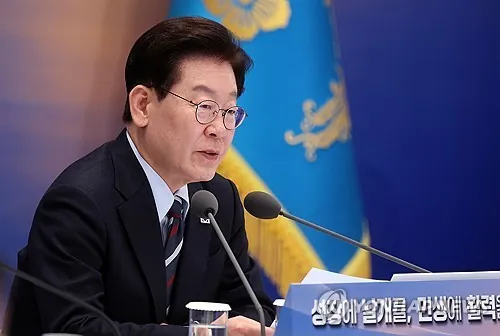
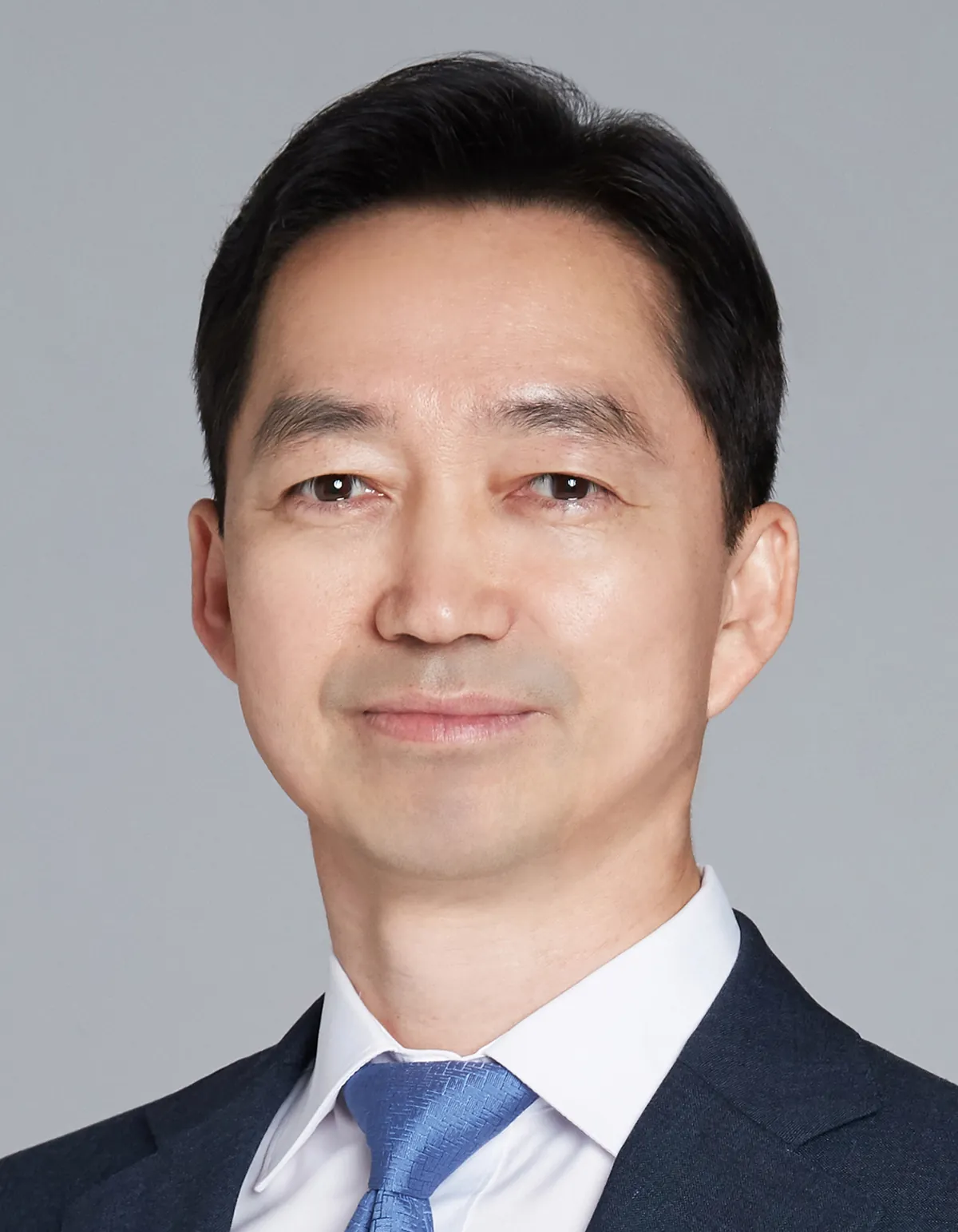
On September 7, 2026, Minister of the Interior and Safety Yoon Ho-jung named Kim Ji-yong of law firm Apex as the sole final nominee for SCIA commissioner. The selection followed a four-person shortlist drawn up on September 4 by the Candidate Recommendation Committee (a statutory advisory panel that screens nominees and passes names to the minister). Minister Yoon chose Kim from among four candidates — Kim Kwan-jung, Moon Hong-ju, and Professor Lee Yoon-je were the others — and formally submitted the recommendation to President Lee Jae Myung.
Kim’s prosecution career spanned senior posts under the Moon Jae-in administration: he was promoted to chief prosecutor in 2020, served as deputy chief prosecutor at Suwon and Gwangju High Prosecutors Offices, headed the Chuncheon District Prosecutors Office in 2021, led the Criminal Affairs Department at the Supreme Prosecutors Office, and in 2022 led the Serious Civil Disasters Team within the ministry’s accident-investigation task force. He resigned from the prosecution before being considered for this role.
Why Korea does it this way
South Korea’s prosecution service has long held the unusual power both to investigate and to indict — a concentration of authority that reformers have argued enables abuse and shields insiders from accountability. Successive governments have attempted to separate or counterbalance these powers; the SCIA is the latest institutional answer, designed to investigate serious crimes committed by high-ranking officials, including prosecutors, judges, and politicians, filling a gap that critics said the existing Anti-Corruption and Civil Rights Commission (국민권익위원회, the body handling general public grievances) and ordinary prosecutors could not credibly fill against their own ranks. Confirmation hearings before the National Assembly (한국 국회, South Korea’s unicameral parliament) are constitutionally required for senior posts of this kind, but the president retains the power to make the appointment even if the hearing produces no formal confirmation report from lawmakers.
What it means for you
For most residents — Korean citizens and foreign expats alike — the immediate practical impact is limited, but the longer-term implications are significant. The SCIA will have jurisdiction to open criminal investigations into sitting prosecutors, judges, and senior government officials, which means cases that previously stalled inside the prosecution could move forward. Foreign investors and multinational companies operating in Korea have historically flagged legal unpredictability around white-collar enforcement; a credible, independent investigations body could, over time, raise institutional trust. Politicians on both sides of the aisle are watching closely: the SCIA’s first commissioner will set the agency’s investigative tone and priorities for years. No enforcement actions are imminent — the agency is still being stood up and Kim must first clear his confirmation hearing.
Watch next
- National Assembly confirmation hearing date to be scheduled — outcome determines whether Kim is confirmed or the president must act without a report.
- President Lee Jae Myung’s formal appointment decision following the hearing.
- SCIA’s first operational mandate: which cases or officials it chooses to investigate first will signal its independence and scope.
Source: The Korea Herald / Kyunghyang Shinmun (English)
Was this useful?
What made the difference? Pick one.
What made the difference? Pick one.
Thanks. We read every answer.